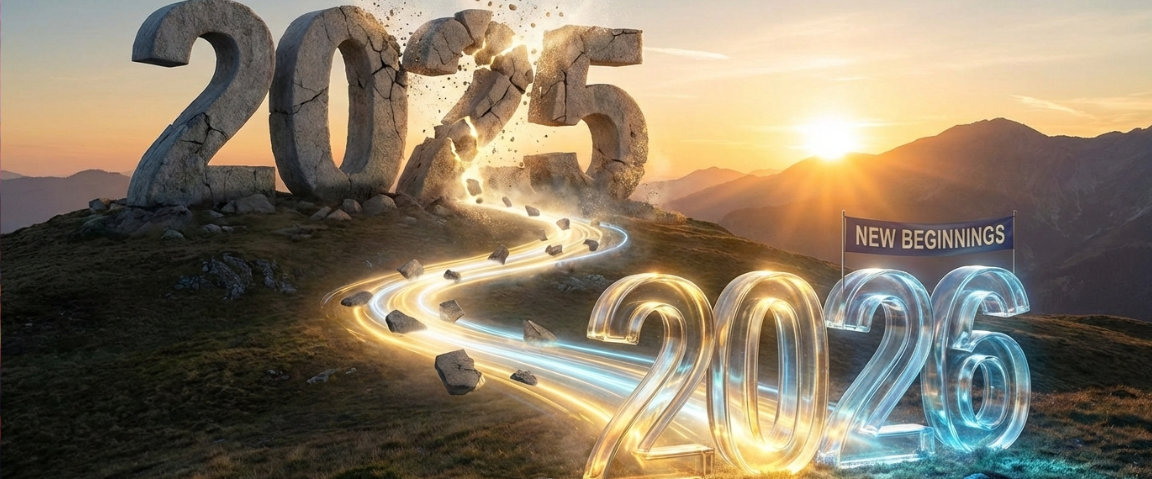
December 31, 2025
As we wrap up 2025, it’s the perfect moment for marketers, founders, and curious thinkers to pause, reflect, and extract meaning from the whirlwind of trends that shaped the year. Marketing in 2025 wasn’t just about flashy tech or new platforms, it was about strategic adaptation, authentic engagement, and deeply human connection in a rapidly evolving digital landscape.
Here’s a comprehensive look at the trends that defined 2025 and the lessons they taught us.
1. AI Moved From Novelty to Necessity
Artificial Intelligence didn’t just transform marketing; it became essential. What started as automation and “assistive tools” in years prior matured into intelligent systems capable of:
But the real takeaway wasn’t AI itself, it was how brands used it. Those who succeeded treated AI as a creative partner, not just a cost-cutting tool. We learned that authenticity and strategic context still require a human touch, especially when steering AI-powered campaigns.
Lesson: Technology amplifies strategy, it doesn’t replace it.
2. Personalisation Became Personal
In 2025, personalisation evolved beyond first-name merge tags and basic segmentation. Data privacy changes and smarter consumers forced marketers to rethink what personalisation means. The winners:
Instead of intrusive tracking, brands offered value in exchange for insight, better recommendations, curated experiences, and genuine relevance.
Lesson: Permission-based personalisation builds trust and drives loyalty.
3. Social Commerce Grew Up
Short-form video and social shopping became even more intertwined. Platforms like TikTok, Instagram, and others pushed deeper commerce integrations, and:
The shift? Social platforms were no longer just engagement channels, they became legitimate revenue streams for brands of all sizes.
Lesson: Commerce isn’t just about conversions, it’s about community first.
4. Brand Purpose Took Centre Stage
Consumers in 2025 expected brands to stand for something. Marketing wasn’t just about visibility—it was about values.
Topics like sustainability, inclusion, ethical practices, and purpose-driven storytelling weren’t buzzwords—they were yardsticks for trust. Brands that aligned their actions with their messaging resonated more deeply and retained loyalty even during economic uncertainty.
Lesson: Purpose without action feels hollow, values must be lived, not just marketed.
5. Data Strategy Got Smarter (and More Respectful)
With growing privacy regulations and cookie deprecation still unfolding, marketers pivoted to:
We learned that privacy-forward strategies don’t limit creativity, they recalibrate it.
Lesson: Respecting privacy isn’t a limitation, it’s a competitive advantage.
6. Omnichannel Isn’t Optional, It’s Expected
Customers hopped between desktop, mobile, app, in-store, and even voice interfaces. Seamlessly connecting these touchpoints became table stakes, and successful brands:
The future isn’t about channels—it’s about journeys.
Lesson: Every touchpoint shapes perception, consistency builds credibility.
7. Creativity Won (Again)
Amid all the tech advancements, one trend stood tall: creativity remains irreplaceable. The most memorable campaigns in 2025 weren’t just data-driven, they were emotionally resonant, culturally connected, and boldly human.
We rediscovered that people don’t buy products, they buy stories, identities, and experiences.
Lesson: Metrics matter, but meaning endures.
What’s Next? Looking Toward 2026 and Beyond
As we step into 2026, a few themes are already emerging:
But one truth remains timeless: marketing is fundamentally about people. Trends shift, tools evolve, and platforms rise and fall—but genuine connection lasts.
Final Thoughts
2025 challenged marketers to be more empathetic, more adaptive, and more future-focused. It reminded us that technological progress and human insight must move hand in hand.
Whether you’re a seasoned marketer or a curious observer, one thing’s clear: The best path forward is guided by strategy, enriched by creativity, and anchored in purpose.
Here’s to learning from the past and marketing with meaning in the future.


